

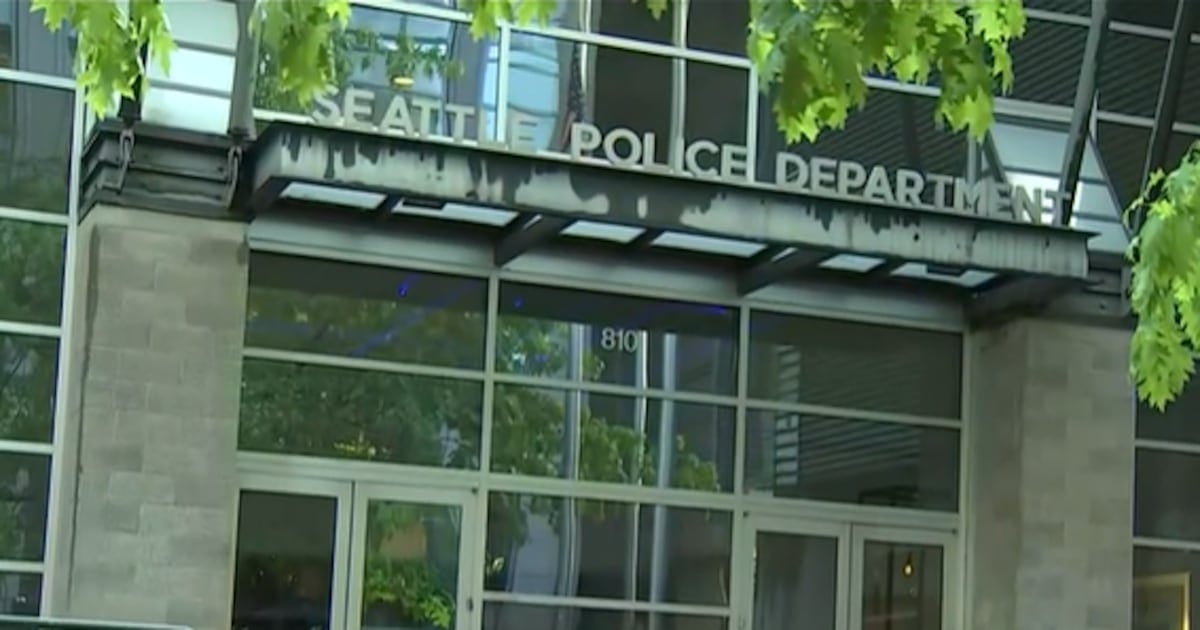
One of the Seattle Police Department’s highest-paid sergeants was accused of abusing a pilot wellness program to shirk duty, according to a report released on Friday. Anh Koah Hoang, a field supervisor on first watch, was reportedly unreachable for around two hours, leaving an acting sergeant to assume his duties. According to employee records, Hoang had previously been counseled for multiple performance issues, including sleeping on the job.
Hoang’s supervisor, Lt. Thuc Duy Nguyen, filed a complaint with the Office of Police Accountability, claiming that Hoang violated the guidelines of a pilot “wellness hour” program he implemented.
Nguyen grants officers under his command one paid wellness hour per shift that they can use “as they see fit for their well-being.” Officers may use the wellness hour to nap, read, work out, cook, or scroll on their phones, but must remain accessible. The guidelines permit officers to log out, so they aren’t dispatched to low -priority calls, but they must keep their radios and phones on in the event of an emergency.
Hoang told the OPA that he responded to a direct request for a phone call from dispatch during his wellness hour, but he received no other calls during that time. The records OPA reviewed corroborated this account. However, the CAD logs showed that he was unavailable for service calls for two hours because he never logged out of the 30-minute meal break he took before starting his wellness hour.
Moreover, the OPA argued that taking his meal break consecutively with his wellness hour “created a significant period of time where Hoang was physically in his vehicle in the garage and not ‘directly supervising police officers.’”
He also did not notify his lieutenant that he was taking the wellness hour, as required by the guidelines. Instead, Hoang told another officer of the same rank, fulfilling the letter of the guidelines but not the spirit.
The report also notes several performance problems in Hoang’s appraisals that were handled informally through counseling, including filing late and incomplete reports, sleeping on duty, and failing to appear to work on time without explanation.
Ultimately, the OPA did not find that Hoang violated SPD policy or Nguyen’s guidelines. He was issued a training referral.
In 2024, the last year for which we have data, Hoang made $297,797, including overtime.