



Last chance to freeze the camera expansion
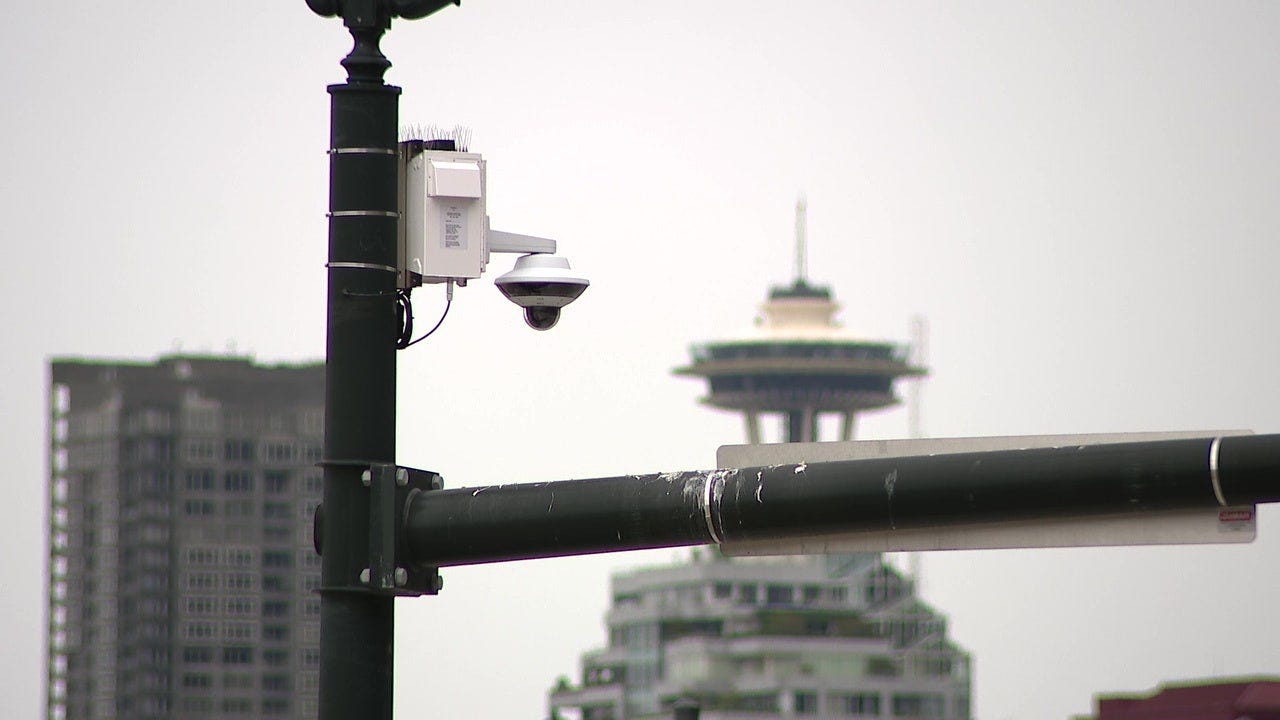
Mayor Katie Wilson will turn on all the cameras and expand them into new neighborhoods following the long-awaited release of a privacy audit this week. The $233,000 audit from the Policing Project largely restated criticisms surveillance opponents have repeatedly made. These include a lack of controls to prevent misuse, concerns about indefinite data retention, and federal agencies' continued ability to access data from the real-time crime center. Mayor Wilson plans to move forward with the expansion immediately and implement the audit’s proposed guardrails later. Councilmember Alexis Mercedes Rinck is pushing to freeze the RTCC expansion until the recommendations from an earlier Office of the Inspector General audit are implemented. Two councilmembers — Eddie Lin and Dionne Foster — have said they will vote yes, but they’re still short two votes. Rinck’s proviso will be voted on at the meeting to finalize the city budget on Friday, Nov. 13. The committee meeting starts at 9:30 a.m. Sign-up for public comment opens an hour beforehand.
For more info on this and other amendments, see this action alert from the Seattle Solidarity Budget.
Medical examiner’s report doesn’t absolve Seattle cops
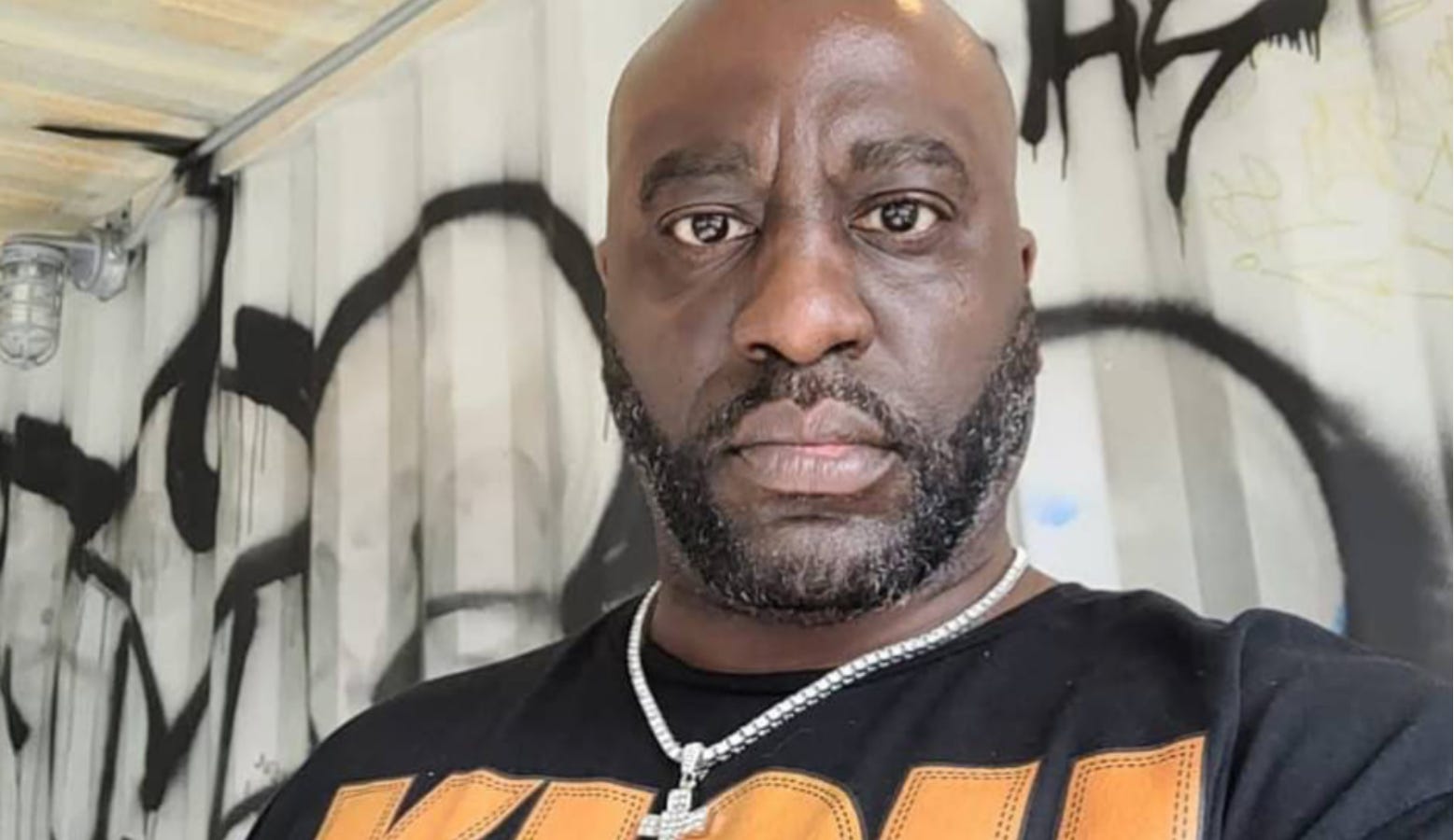
With Keenan Pearson’s death ruled accidental and the independent investigation complete, the Seattle Police Department is hoping to close the book on the case, but unanswered questions remain. After he was ejected from a bar in Georgetown, Seattle police held Pearson until medics could arrive. Initially, he was seated on the pushbar of a cruiser unrestrained. He fell and began “flailing,” so officers handcuffed him in the prone position and sat him up. Pearson lost consciousness and died shortly thereafter. Toxicology reports showed he had a significant quantity of methamphetamine in his system. However, the medical examiner’s finding doesn’t necessarily absolve the police of any wrongdoing. A 2024 investigative report on deaths from prone restraint in California found that 19 out of 22 involved people with methamphetamine in their systems. In 10 of those, the cause of death was listed as acute methamphetamine toxicity, obscuring the role police played.
Seattle police knelt on man who died last week, witness said

Seattle police were restraining Keenan Pearson immediately before he died, an eyewitness to last Saturday’s in-custody death said. SeattleU law student Le’Jayah Washington was at the R-Day Block Party in Georgetown and saw it unfold.
Methamphetamine combined with prone restraint can cause a prone restraint cardiac arrest by promoting metabolic acidosis. The medical examiner wrote that the body camera footage did not show any “apparent neck or chest compression or prolonged prone positioning.” Body cameras are worn on the chest, so knees and feet aren’t visible most of the time, and long periods of compression aren’t necessary to cause a heart attack from prone restraint. A witness saw four officers kneel on Pearson’s back and possibly his neck for an estimated three minutes. “Prolonged” is relative and subjective. In one study, death occurred in one to five minutes in nearly 60 percent of cases. And why did they handcuff him at all? Officers are permitted to handcuff during a detention for “officer safety” reasons, but this wasn’t a detention and posed no threat. Lastly, the officers — all green rookies — never put Pearson in the recovery position, which greatly mitigates the risk of death from prone restraint. SPD still hasn’t released the bodycam footage, as it has done in every shooting.
County’s involuntary treatment in crisis
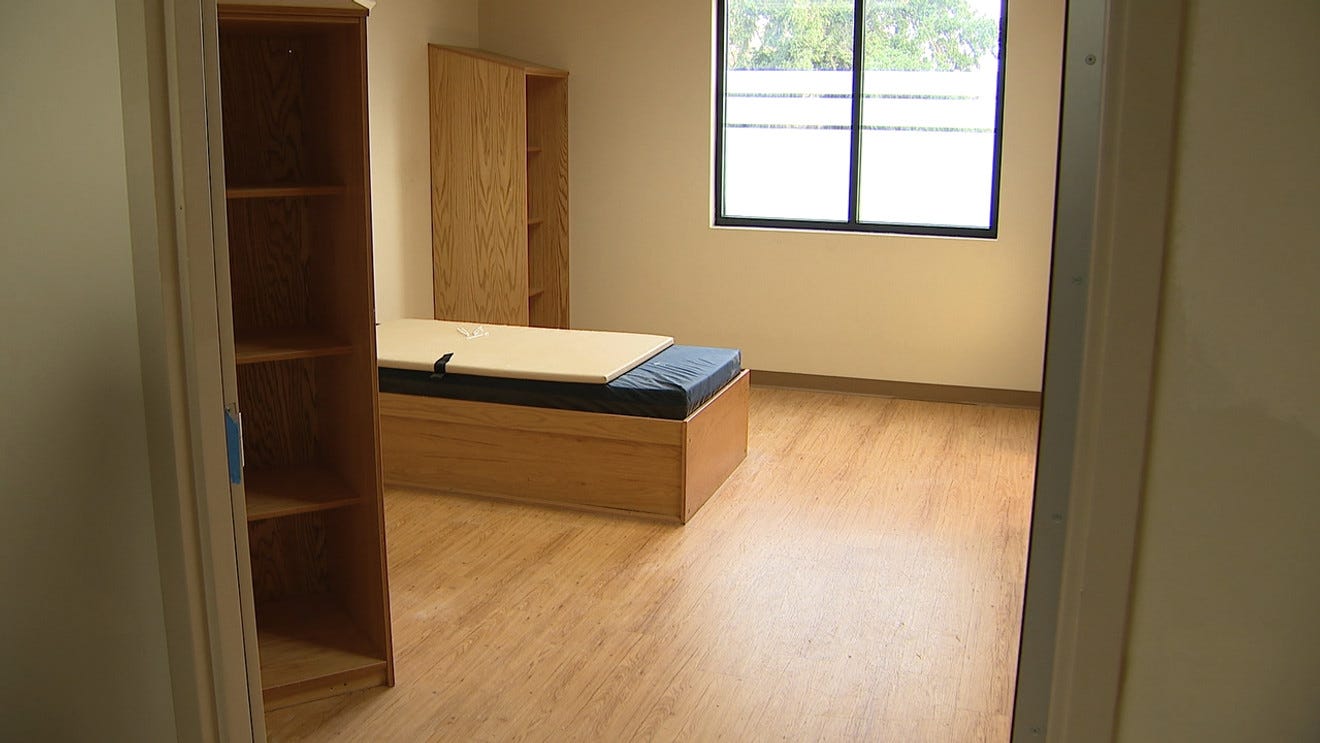
A new report on involuntary commitment in King County found that an extraordinary amount is spent on crisis care, but not enough is done to keep people out of hospitals or to help them upon release. Produced by Disability Rights Washington and the county prosecutor’s office, the report highlighted how resources and intervention are concentrated at the crisis level. People with mental illnesses struggle to find support before and after a crisis, creating a vicious cycle of hospitalizations. In addition to a lack of access to services, interviewees also described a disconnect between various organizations and representatives involved in the process, leading to gaps that can significantly impact patients and their families.
No ICE detention in Burien — for at least six months
Immigrant rights activists scored a victory in Burien this week, following a successful campaign by the King County Immigrants Rights Alliance (KCIRA). The local city council approved a six-month moratorium on ICE detention centers, joining SeaTac, Tukwila, Renton, Spokane, Kent, and Seattle, which also passed similar measures earlier this year. As the deportation machine ramps up, activists aim to frustrate ICE’s efforts by denying the agency a place to stash its kidnapping victims. In Tacoma, where the GEO Group operates the Northwest Detention Center, the city has placed stipulations in the land use code to prevent private contractors from expanding detention capacity or adding new facilities. King County also imposed a one-year moratorium banning detention centers in unincorporated areas.
Hey, before you go…
DivestSPD is your only source for critical police coverage in the Puget Sound area and beyond. From filing public records to reading hundred-page reports, we’re putting in the hours to bring you weekly exclusive stories about cops brutalizing the public, committing crimes, and violating civil rights.
We get all our funding from ordinary people like you, so if you think this work is valuable and want it to continue, join our Ko-fi community today. Tiers start at just $5 a month.