


City overpays already overpaid cops
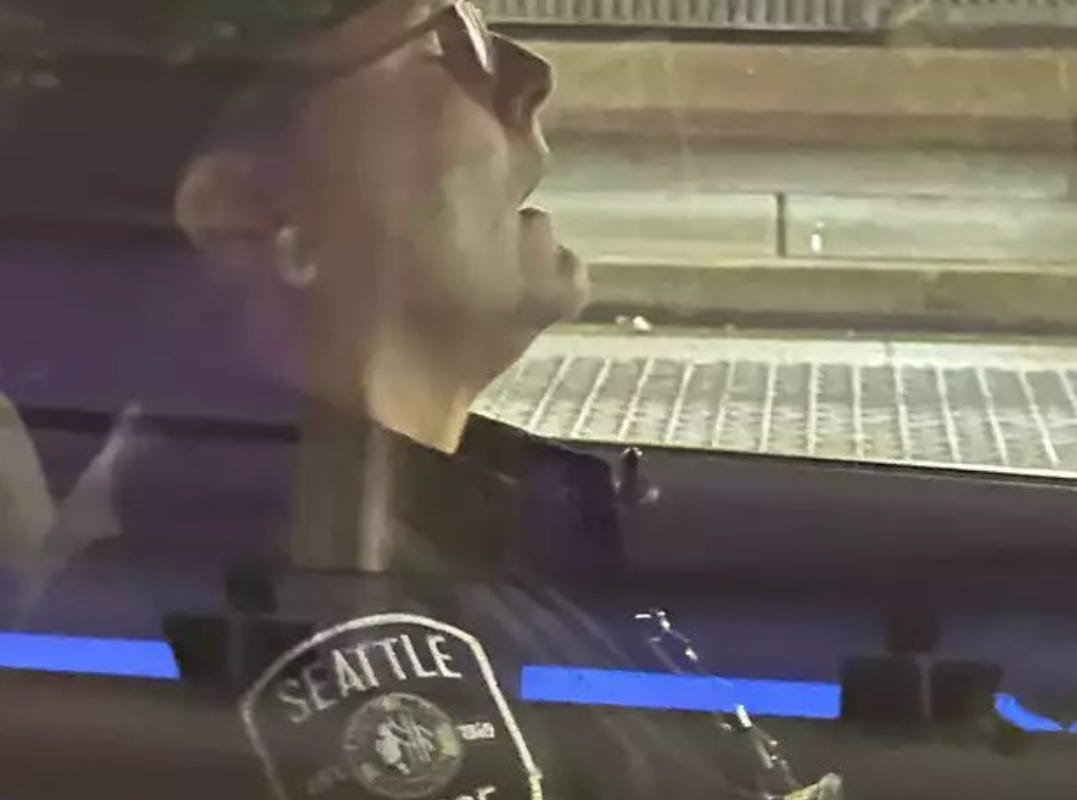
Mayor Katie Wilson’s balanced budget just got knocked off tilt by the last-minute discovery that the city overpaid Seattle police officers by more than $13 million. When calculating back pay under the new contracts, some goof in the department’s HR used the wrong year as a baseline, resulting in some officers getting paid as much as $32,000 extra. Of the 900 or so officers who got an unearned boost to their retroactive pay, roughly a third received more than $15,000. Because there’s no provision in the police guild contract to resolve overpayments, the city will need to haggle about clawing it back. That might take a while, and the problem won’t be fixed before the budget is finalized, so there’s a $13 million hole to be filled in the next month. The Seattle Police Officers Guild isn’t exactly known for bargaining in good faith, so they’ll likely squeeze a concession or two out of this. They’re already capitalizing on the error to hammer the city over its payroll system, Workday.


Though the payroll system wasn’t at fault here, SPOG posted a statement headlined “Our members deserve an accurate paycheck and a payroll system they can trust,” which alludes to their class action lawsuit against the city over alleged Workday underpayments. To be fair, there are some legitimate grievances with Workday — other city unions are also suing for the same reasons — but SPOG members benefit more than most from the lack of electronic overtime tracking. Seattle cops still track their overtime on paper slips. It’s easy to exploit. As we’ve reported before, sergeants sign off on subordinate officers’ overtime without verifying that they are actually working. One officer was caught stealing at least $5,000 in unearned overtime by leaving two hours early every day and claiming a full shift. His sergeants never discovered the issue. It only came to light because another officer dimed him out. The city has tried to implement electronic overtime tracking for almost a decade, but SPOG keeps getting in the way. Coincidentally, SPD overtime spending has roughly doubled in the last four years.

Area police kill two people in two days

Police have shot and killed two people in the Puget Sound region since our last Digest. Early Sunday morning, Tacoma police officer Adrian Velasquez shot and killed 49-year-old Gerald Cowell during a domestic violence call. A neighbor saw multiple officers surround the home. They heard yelling and then about 10 gunshots. Medics arrived and pronounced the man dead. Tacoma police have disclosed very little — they have not even said whether the man was armed. The next day, SWAT officers shot a Bremerton man during an exchange of gunfire. The woman who called 911 told dispatchers that the man was inside the house, armed and potentially intoxicated. She fled before SWAT responded. Nearby residents were evacuated, and a Pierce County Sheriff’s Office drone was used to locate the man within the house. Police initially claimed that the man died from a self-inflicted gunshot wound but later amended the statement to say that he “died at the scene.” The Washington State Office of Independent Investigations is investigating both of these incidents. We will follow up with the names of the officers involved in the next two weeks.
Surveillance expansion creeps through policy gaps
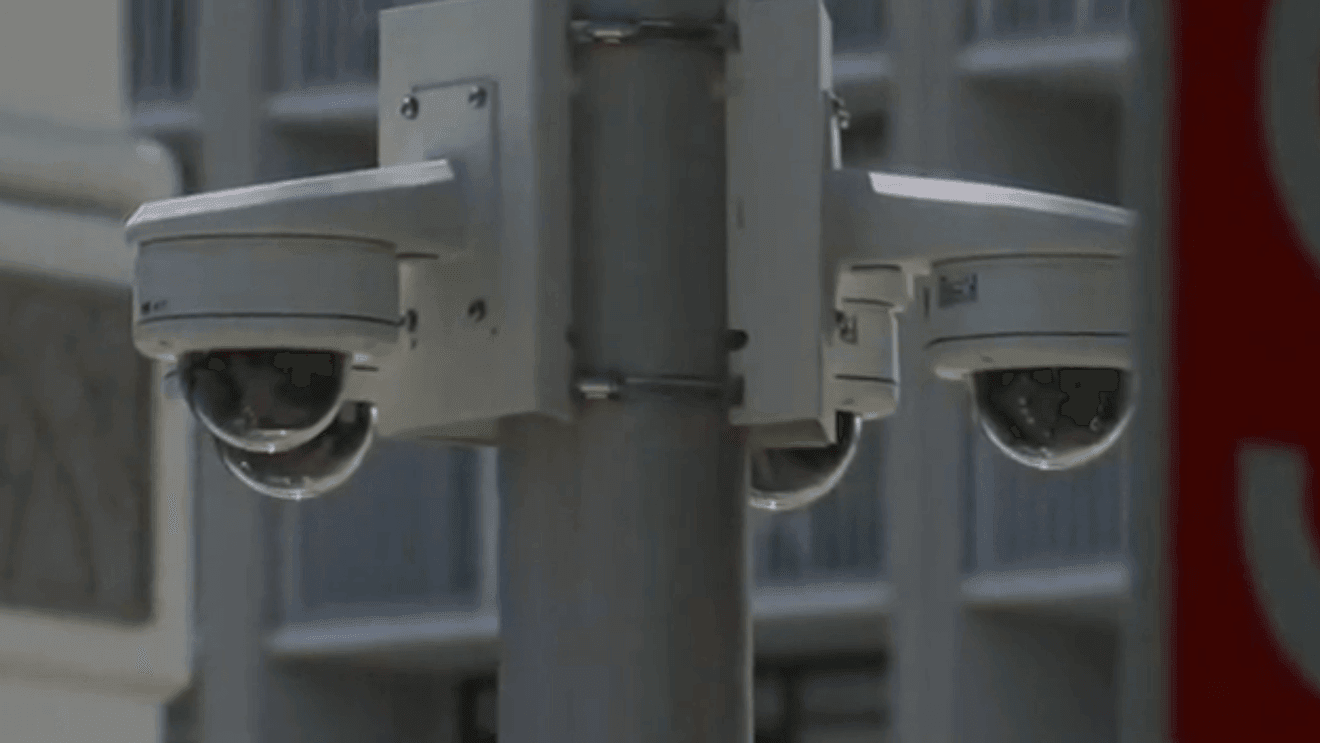
Seattle Department of Transportation cameras, which aren’t meant for “criminal enforcement purposes,” are routinely used for “criminal enforcement purposes,” according to a new city audit. An annual report released by the City Auditor’s office this week offered insight into SDOT’s CCTV access logs, costs, and data management. The Seattle Police Department accesses some of these cameras from its Real-Time Crime Center. The original surveillance impact report for SDOT’s cameras only allows them to “monitor conditions on SDOT-owned roadways,” not public sidewalks or private property. Though SPD has view-only access to SDOT feeds, the department regularly messages SDOT through Microsoft Teams to request camera angle adjustments. No documented agreement between SPD and SDOT outlines how cameras can be used, and SDOT still doesn’t have guidelines for the Real Time Crime Center in its operating procedures.


While SDOT policy explicitly states the traffic cameras “shall not be used for civil or criminal enforcement purposes,” the feeds are available to the public, and any department can access them. Moreover, SDOT’s manual specifies that traffic camera recordings must be deleted after 10 days, but most recordings were not deleted within that time frame. Clips made at the Real Time Crime Center, from live stream recordings available for 24 hours, can be stored indefinitely if they are classified as evidence. Oh, and by the way, the federal government can freely obtain all the data produced by two AI-equipped traffic studies because they’re federally funded, according to the audit.
Bob can’t get enough cops

Public Safety Chair Bob Kettle is not happy about Mayor Katie Wilson’s proposed police budget. Though Wilson’s proposal increases the police budget by a whopping $68 million and funds 66 new officer positions, it caps the number of new cops SPD can hire at 1,250 officers by 2028, which is well below the 1,400 Kettle wants. He’s even floated the idea of hiring 1,800 cops, which is an even more implausible number, but that’s how many a city our size is supposed to have, he says. Here’s the rub: Seattle can’t hire that many cops at the pay rate set in the police guild contract without cutting multiple departments to the bone or raising taxes to an unimaginable degree. While it’s true that Seattle has fewer officers than most cities of the same size, it also spends more on police than most cities of the same size. For example, Boston has about 2,000 police officers, but its officers top out at about $18,000 less than Seattle cops make in their first year. And while we’re doing the per capita thing, Seattle’s crime rate has fallen to about where it was in the mid-2010s, when SPD had close to 1,400 officers. If Kettle wanted more cops, he should’ve proposed a contract that made cops cheaper to hire. Alternatively, he could call on members of Christine Gregoire’s Challenge Seattle—including Amazon, Microsoft, and some of the other richest corporations in the world—to voluntarily submit to a cop tax to cover the extra $100 million in the budget needed to pay for 1,800 cops.

The family of a man SPD shot is seeking $30 million

The family of Urban Andrew Seay, killed by Seattle Police Officer Kyle Hay on March 19, 2025, has filed a claim against the city of Seattle for $30 million. Hay shot Seay four times after Seay entered the Southwest Precinct parking lot during a mental health episode. Officers knew Seay’s identity and location because his wife called 911 to report that he was suicidal. Multiple officers surrounded Hay, and less-lethal options were available. When Hay fired, he was 35 feet away from Seay, who held only a pocket knife. The Office of Police Accountability conducted an expedited investigation, meaning they did not interview Hay. The OPA found that the shooting was justified and that Hay followed SPD’s de-escalation policy. The King County prosecutor filed no criminal charges, leaving few options but a civil case. These cases commonly play out the same way. The OPA rarely faults officers in cases where the person shot has a knife— even if that person has taken a nearly lethal dose of pills and is 20 feet away. While the OPA and later inquests almost always find these shootings justified, the city, just as often, will pay out seven figures to settle a wrongful death claim. That happened with the police shootings of Charleena Lyles and Derek Hayden.
Hey, before you go…
DivestSPD is your only source for critical police coverage in the Puget Sound area and beyond. From filing public records to reading hundred-page reports, we’re putting in the hours to bring you weekly exclusive stories about cops brutalizing the public, committing crimes, and violating civil rights.
We get all our funding from ordinary people like you, so if you think this work is valuable and want it to continue, join our Ko-fi community today. Tiers start at just $5 a month.