

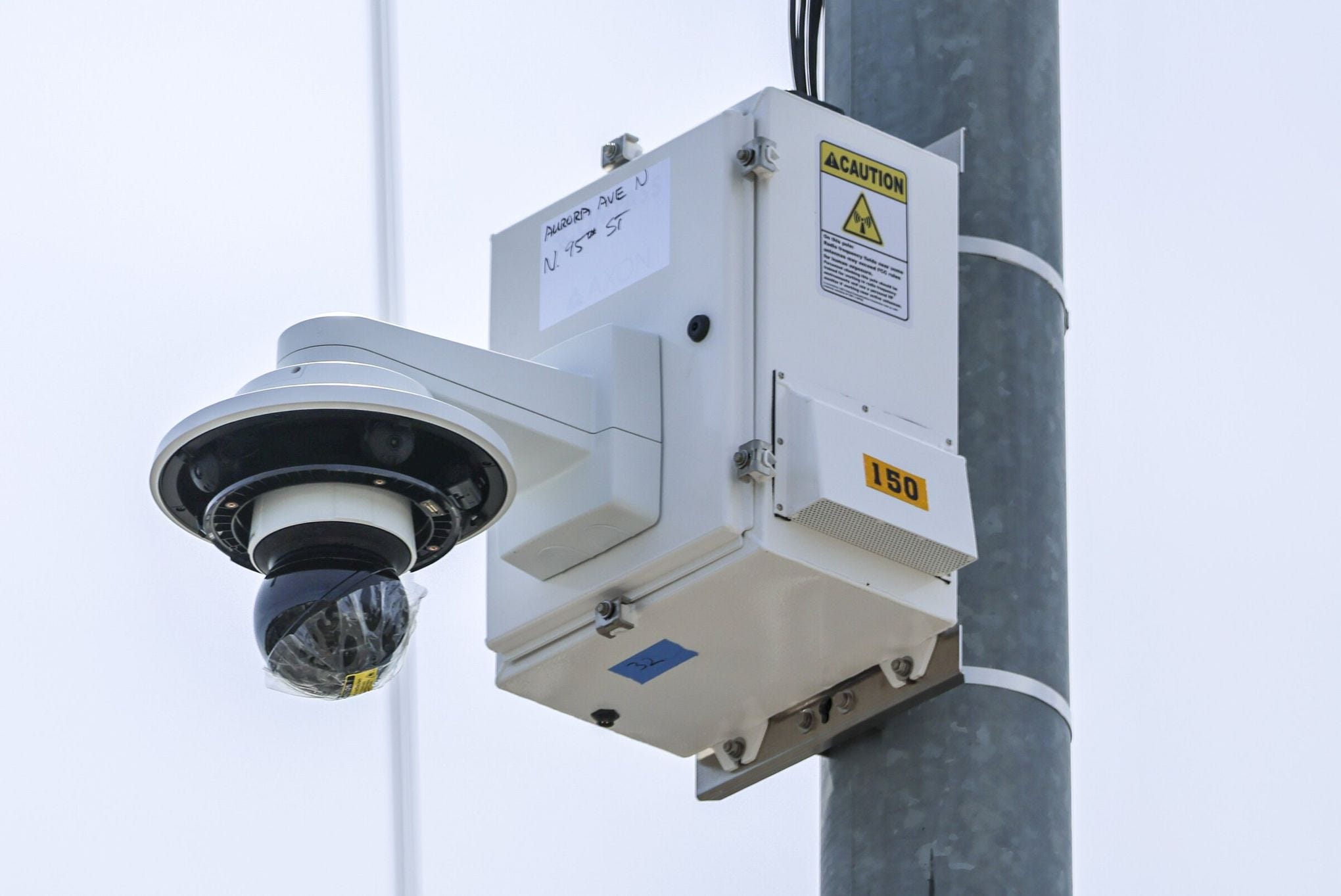
ICE goons attack

After months of mostly nibbling around Seattle’s edges, immigration agents finally took a big bite over the weekend. On Saturday and Sunday, Seattle residents captured footage of ICE agents abducting community members from neighborhoods in the heart of Seattle, including Pioneer Square, First Hill, Capitol Hill, Chinatown/International District, and University District. These recent raids are part of an alarming nationwide trend. For the past three consecutive months, ICE has set new arrest records. Recent reports found that ICE arrests hit an all-time high in July, totaling 51,000, surpassing the previous monthly records set in June and May. The federal government attributed the record number of arrests to the thousands of new agents who joined the agency during its hiring spree. It’s a troubling sign of what’s to come, as the Trump Administration transitions from large-scale deployments to a quieter, subtler program of mass deportation that relies on hit-and-run tactics.
Outlook for Police State, Inc. bullish
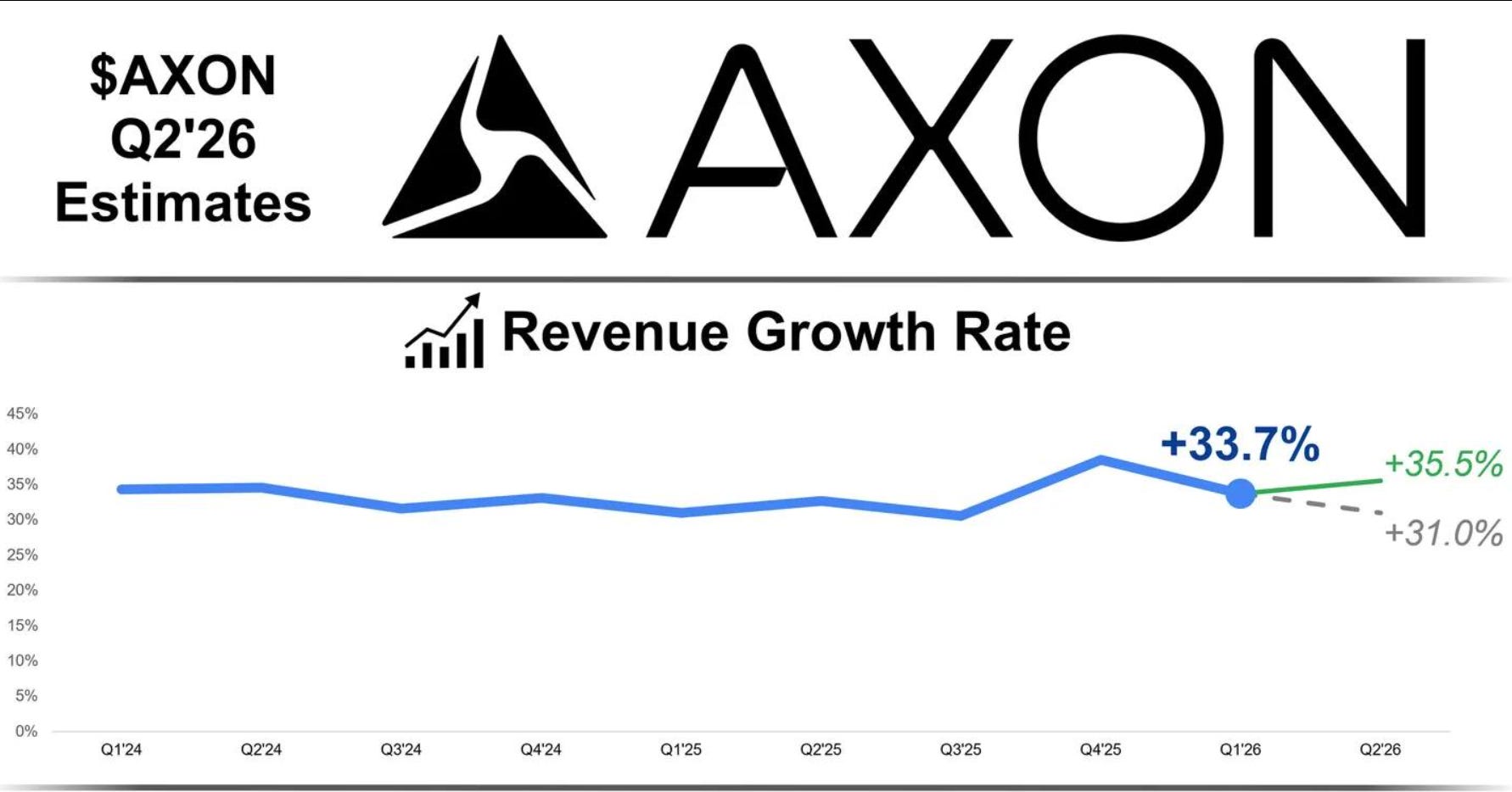
Speaking of record numbers, police and surveillance equipment manufacturer Axon is reaping historic windfalls as it continues to corner the cop tech market. According to the company’s latest earnings report, it posted a whopping 30 percent revenue increase for 10 consecutive quarters. Tasers and body cameras, Axon’s bread-and-butter, are already used by most departments, so the company is constantly looking for sources of growth, including drones and AI. Activists have made Flock Safety’s brand toxic, prompting many cities and counties to switch their license-plate reader contracts to Axon. The World Cup was another huge boon for the company. It picked up tens of millions in state, local, and federal sales for its Dedrone platform, which generated $100 million in revenue for Q2. As we reported previously, police departments spent at least $16 million on drone countermeasures in the Seattle area alone. Though Axon is based in Arizona, it has a strong footprint in Seattle, with around 200 employees at its local office. In addition to providing all of SPD’s Tasers and body cameras, Axon also supplies the city’s Real-Time Crime Center platform. The city’s payments to Axon total about $3.6 million annually. Unsurprisingly, Axon has its hands in local politics. The central figure in the brouhaha about gun violence in Aurora earlier this year was Axon executive Jake Wallack, an Aurora resident. He was out front, calling for the National Guard and, of course, more Axon cameras.

Big biz supports big panopticon

Big businesses are seizing on the tragedy at Seattle Center two weeks ago to push for expanded CCTV camera surveillance. After the Bite of Seattle shooting, a group of event-related businesses, including the Space Needle, Seattle Storm, and Climate Pledge Arena, called on Mayor Katie Wilson to reactivate 22 cameras near the stadium and surrounding neighborhoods. These cameras are shut off while the city conducts an audit into their safety, efficacy, and impact on privacy. Mayor Wilson faced backlash from activist groups like Community Not Cameras and Stop Surveillance City for waffling on campaign promises to halt, or at the very least, slow the expansion of camera systems. The audit is Wilson’s (somewhat clumsy) attempt to thread the needle between demands from the two sides of the controversy. Still, businesses and the police are pressuring the mayor to bring the cameras back before the audit is completed.
City Council does a good thing?

Finally, some good news. Last Tuesday, city council amended its supplemental budget to reallocate funds earmarked for CCTV camera expansion and shift them to violence interruption programs. As we’ve pointed out over and over, violence interruption is an actual solution to gun violence. It’s achieved miraculous results in so-called murder capitals, like Baltimore and St. Louis. The installation of cameras in Capitol Hill and neighborhoods around Garfield High School is on hold until NYU’s Policing Project completes its audit of the technology, so this money is just sitting there. The funds will instead be directed towards funding on-the-ground treatment for substance use and employing Community Violence Interruption ambassadors. It’s not a lot—just $250,000—but it’s a start. Future funding for these projects will be taken over by King County and integrated into their broad plans around the developing Crisis Care Center.
Hey, before you go…
DivestSPD is your only source for critical police coverage in the Puget Sound area and beyond. From filing public records to reading hundred-page reports, we’re putting in the hours to bring you weekly exclusive stories about cops brutalizing the public, committing crimes, and violating civil rights.
We get all our funding from ordinary people like you, so if you think this work is valuable and want it to continue, join our Ko-fi community today. Tiers start at just $5 a month.