



Klepto cop steals from Home Depot, blames ADHD

Former Puyallup Police Officer Quinn Rawson was arrested and charged with shoplifting from Home Depot 16 times by “skip-scanning” or paying only for certain items. Rawson tried to weasel his way out of it by blaming his ADHD. According to the arrest report, Rawson claimed he didn’t steal intentionally, insisting that he gets “distracted talking to people.” Rawson was laterally hired from Lakewood in April 2024. He was terminated in September for lying to investigators in one of four open misconduct investigations — primarily related to mishandling evidence and unprofessional conduct. Puyallup police claim the theft allegations only came to their attention after he was already fired. He apparently had a run-in with Home Depot staff the day before PPD dismissed him. Rawson was arrested again on Nov. 11 and barred from being within 1,000 feet of any Home Depot. The Washington State Criminal Justice Training Commission has opened two investigations into Rawson’s certification as well. Puyallup currently shells out $30,000 signing bonuses for lateral hires, a system that incentivizes the hiring of cops with “checkered” histories.
Former officer used Flock to stalk woman who rejected him
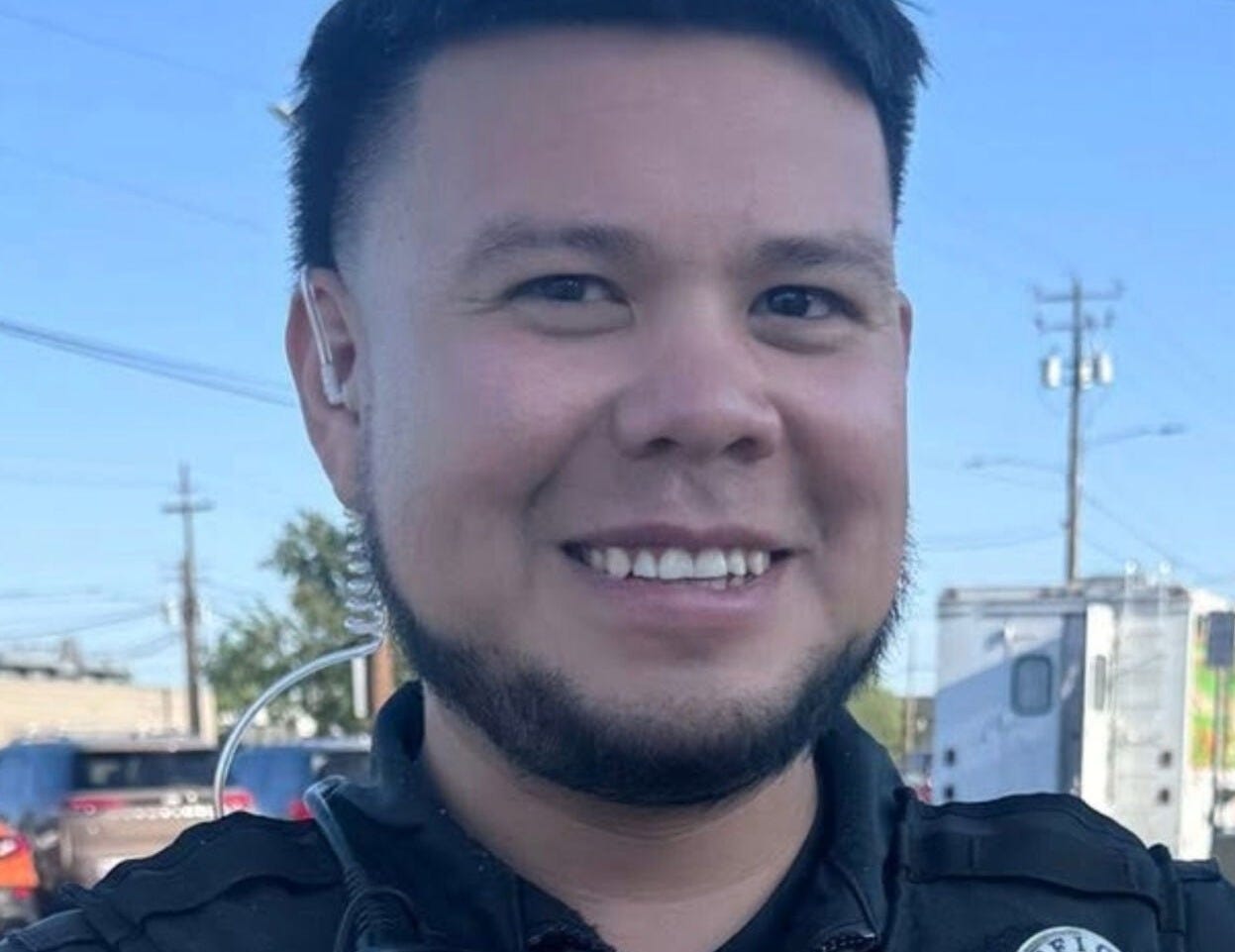
A former police officer in Sunnyside, WA, is facing charges for using Flock Safety cameras to stalk a woman who rejected him. According to court documents, Cristian Tovar met the woman on Instagram in 2024 and they became friends.Tovar wanted more, but she didn’t. After he attempted to kiss her, she would only agree to meet him in public places. She blocked him last October after he sent her 20 angry messages and eight video call requests on Snapchat. Later, he texted her to warn her that her license plate was being broadcast over the radio for speeding. Tovar had used Flock systems to search for a woman’s license plate at least 189 times.
Private ICE detention center in Tacoma gets new owners: The feds

After a year of near-total information blackout, prison profiteers at the GEO Group announced the sale of the Northwest Detention Center to the US Department of Homeland Security, shortly after signing a 10-year contract to operate the facility. The NWDC is Washington’s sole private prison. Though the state banned private prisons in 2021, a loophole permitted NWDC to finish its contract through 2025, and GEO Group won a subsequent lawsuit, allowing it to stay open. Immigrant rights advocates have been fretting over this possibility because it’s challenging for Washington state to impose oversight on or restrict the expansion of a federally owned facility. This announcement comes as members of the Union Kidnapped by ICE, comprising people caged at NWDC, ended the twelfth hunger strike there this year. The group launched the hunger strike to protest the abuse and horrible conditions at NWDC and all detention centers, but it was ended following threats of retaliation.
Keith Swank tries to scam a pension check while still employed

Pierce County Sheriff Keith Swank is trying to collect two checks when he’s barely doing the job has. Swank is embroiled in a legal battle with LEOFF, the state police retirement system, to get his Seattle police pension. His argument? He’s not a cop anymore. Swank retired from SPD before he could be terminated for his bigoted social media posts and briefly collected a pension. When he was elected sheriff, the LEOFF pension board cut his benefits, arguing that he had returned to work as a law enforcement officer. His attorney is claiming that he is an elected official, not a commissioned police officer. He kind of has a point since it doesn’t really seem like Swank does any cop stuff. He mostly spends his time ranting online and eating blueberry pancakes at various diners with other Boomers. That sure sounds like a someone who is retired.
The largest SPD budget in history will soon be finalized
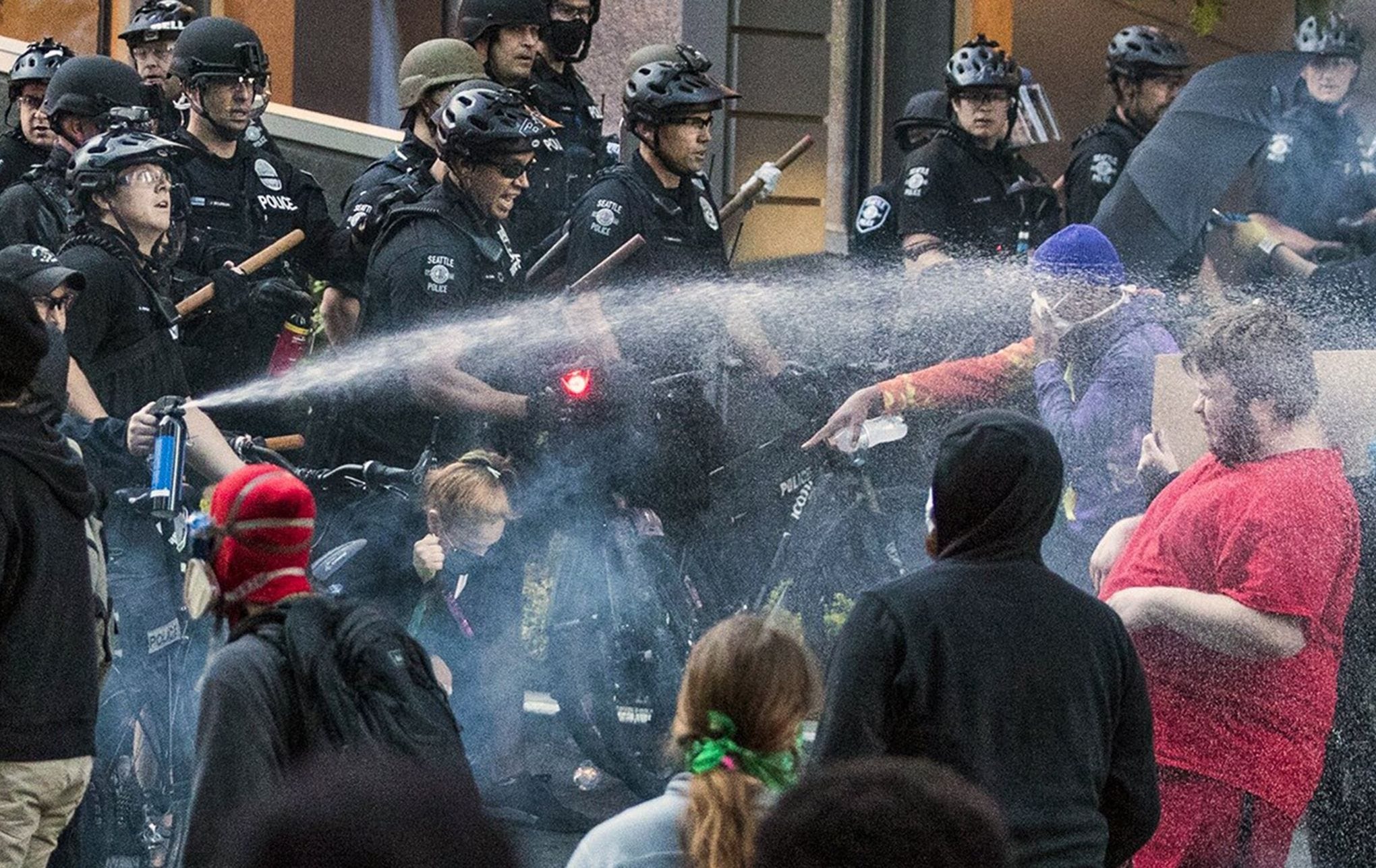
The Seattle City Council budget committee finalized its amendments Thursday, officially signing off on a police budget totaling over half a billion dollars. The committee voted down a proposal, sponsored by councilmember Rinck, to freeze camera expansions in Capitol Hill and the Central District until the city implemented guardrails recommended in the the Office of the Inspector General’s audit. Kettle’s proviso for a $4.1 million “technology-assisted crime prevention program” advanced. Foster proposed creating a dedicated housing fund to absorb the $13.1 million that the city overpaid to Seattle PD this year — that is, whenever they’re done haggling with SPOG for it. However, Foster’s amendment did not pass committee, which was evenly divided, and Budget Chair Dan Strauss abstained. It will be reconsidered today at the full council vote. The budget will go to full council on Friday, Councilmember Deborah Juarez’s last day before. Strauss has been pressed to get the budget done before Nilu Jenks, to the left of Juarez, is sworn in for District 5. The City Council appointed Juarez to replace Cathy Moore. In that short time, she voted for surveillance expansion and complained about Block the Bunker and the Defund movements while trying to stir up support for costly and unpopular “satellite precincts.”
Mamdani’s reform of protest policing looks familiar
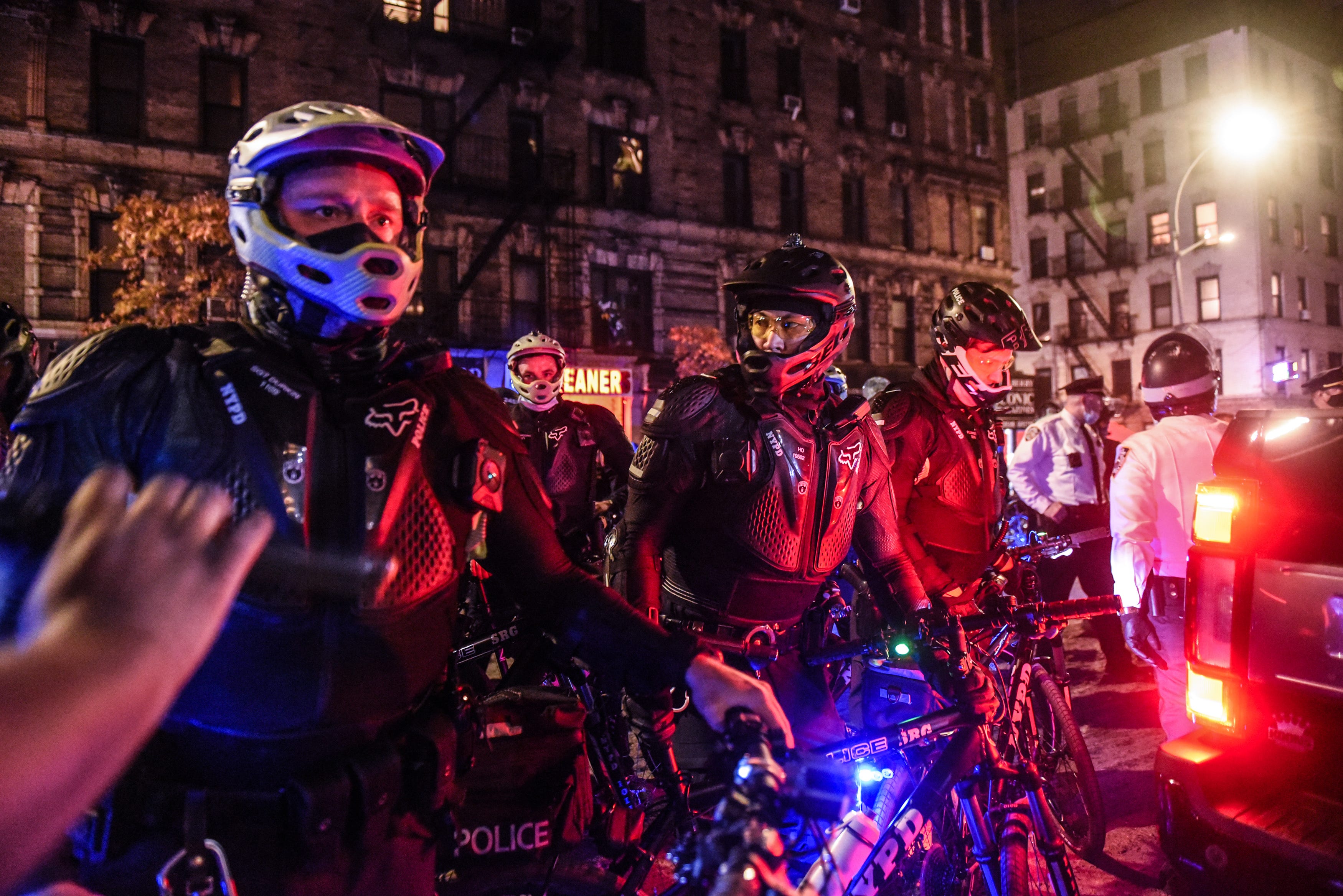
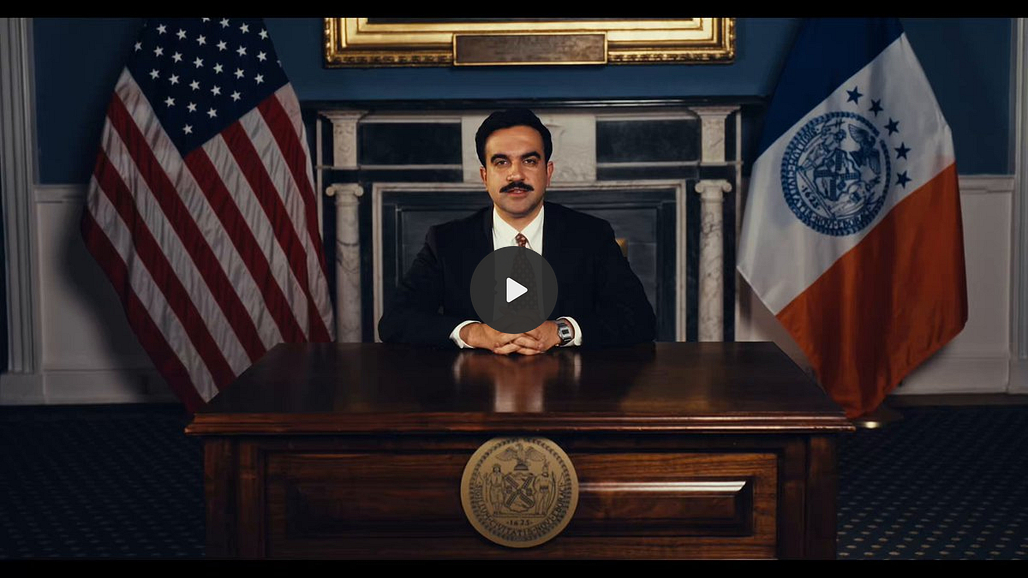
New York City Mayor Zohran Mamdani announced he had disbanded the NYPD’s Strategic Response Group, a combined protest response and counterterrorism unit notorious for brutality. Three entities will take over protest policing: a civilian Community Dialogue and De-escalation Division, a unit of officers supposedly trained in de-escalation called the First Amendment Support Team, and patrol units to make arrests. NYPD Commissioner Jessica Tisch said that “nothing would change about the way that the NYPD responds to crowd control conditions,” a particularly upfront admission of how restructuring this kind of “bad apple” police unit actually works.

This happened in Seattle, too. Before 2020, precinct-based Anti-Crime Teams handled protest response. They had a violent reputation. The department reconstituted the ACT units into a citywide beat-up squad, euphemistically named the Community Response Group. Seattle also set up its own dialogue unit — the Protest Outreach and Engagement Team, or POET. Seattle’s POET team is led by Lt. Larry Longley, who was sued for beating, choking, and falsely arresting a man, and Sgt. Chris Gregorio, a former K9 officer who rushed a schizophrenic man with his dog and caused a fatal shooting. Professor Clifford Stott, a “crowd policing expert,” helped create the POET unit and apparently influenced the changes in New York. Stott co-authored a study on a similar “dialogue” unit in Columbus, Ohio, following the widely criticized police response to the 2020 George Floyd protests. Stott announced on LinkedIn that he’s been speaking with NYC officials “in recent months” about the future of NYPD’s protest response. Mamdani’s campaign spokesperson referenced this “Columbus Model” study on the campaign trail, and a delegation of city and NYPD officials visited Columbus this past spring.
Hey, before you go…
DivestSPD is your only source for critical police coverage in the Puget Sound area and beyond. From filing public records to reading hundred-page reports, we’re putting in the hours to bring you weekly exclusive stories about cops brutalizing the public, committing crimes, and violating civil rights.
We get all our funding from ordinary people like you, so if you think this work is valuable and want it to continue, join our Ko-fi community today. Tiers start at just $5 a month.