


Cop in Auburn beatdown identified as Andrew Bryant
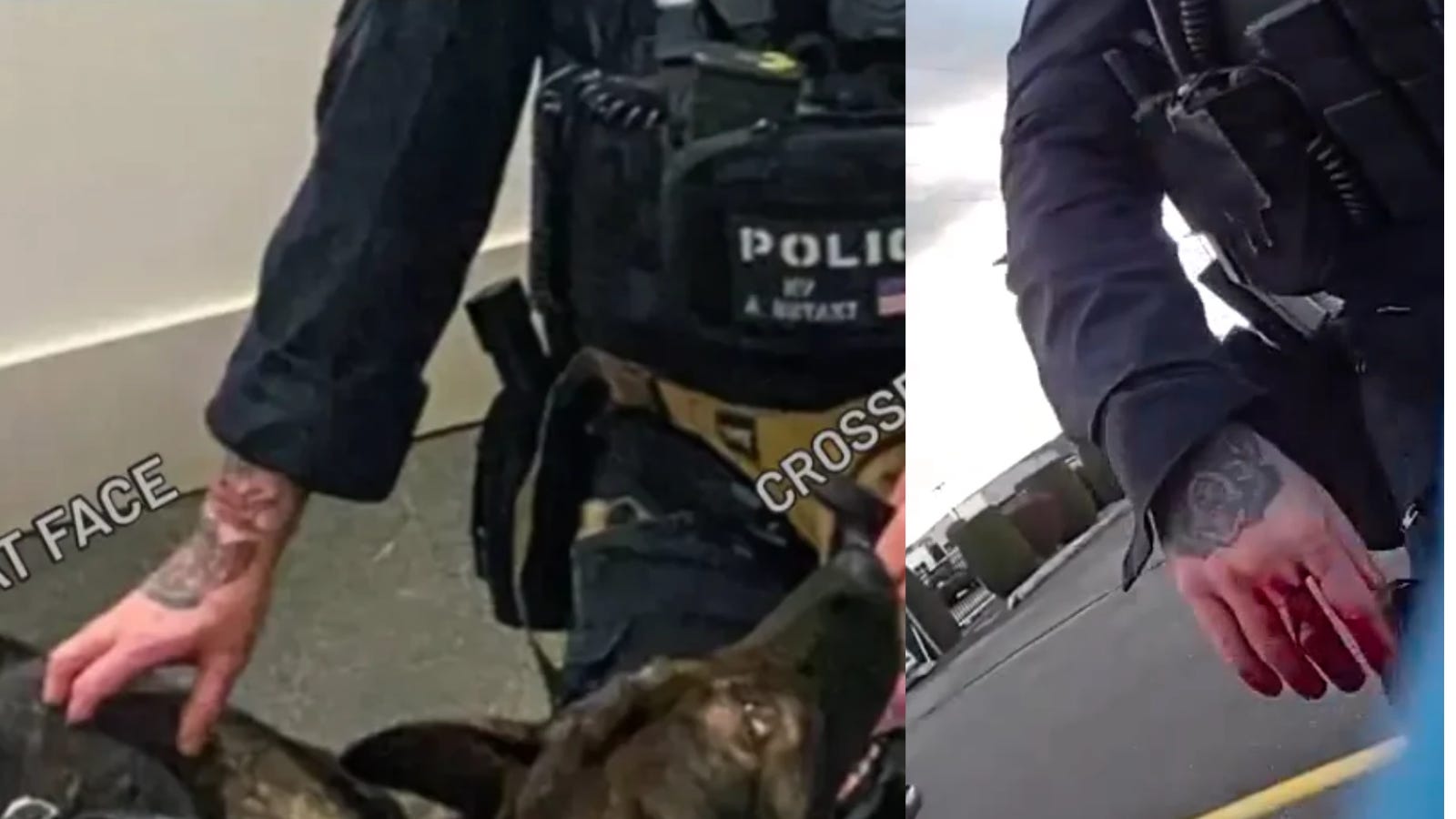
We promised that we’d identify the Auburn police officer shown captured in a video that went viral yesterday. Well, someone beat us to it. While we were resting on our laurels, Instagram user revolutionary_songbirds definitively determined it was Officer Andrew Bryant from his distinctive hand tattoos. The body-worn camera becomes detached while Bryant is punching the man in the face 20 or so times. While another officer picks it up, Bryant’s face is briefly visible. Though his nametag is partially obscured, you can see the last letters “NT.” His right hand is dripping with blood. The man arrested was in an apparent mental health crisis, walking in the road. In response to massive public outrage, the department released the bodycam and third-party video footage of the incident. In the video, Bryant Tasers the man and he goes down. Bryant pulls one of the man’s arms behind his back but he can’t get the other in place. The man flips over, and the officer begins punching in the head. As he’s striking him, Bryant is inexplicably yelling “get on the ground” at the man, who can’t possibly be more on the ground. At no point does the man attempt to punch back. The department has placed Bryant on administrative leave, pending investigation, which is unusual for non-lethal force cases.
Seattle cops choke man for mouthing off during traffic stop
A few months back, we posted dashcam video of a January incident that looked more like a high school fist fight than a traffic stop. In it, Officer Marcus Jones pushes a man to the ground after goading him. We’ve now acquired the bodycam footage too, and it’s much worse. When they’re on the ground, Jones puts his forearm against the man’s neck, and his partner, Steven Schenck, chokes him. The Office of Police Accountability has sustained allegations against both officers but has not yet released its public-facing report. We’ll post an update when they do.
Council wants to up SPD’s budget by $16 million
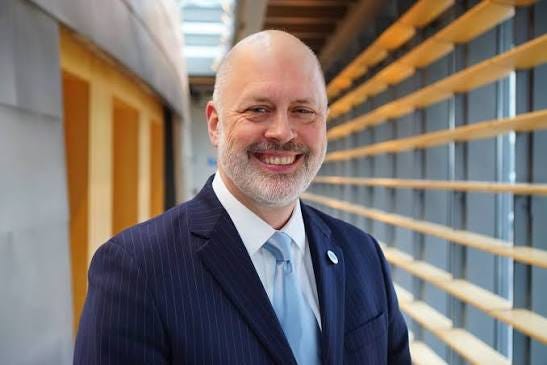
On Thursday, the Seattle City Council debated bills that would boost the police budget by $16.1 million if passed. No surprise here, but the largest chunk of that increase comes from Public Safety Chair Bob Kettle, who has been whinging since Wilson announced her budget about her not hiring enough cops. In total, he hopes to add about 120 sworn and civilian personnel over the next two years. At the meeting, he claimed that the massive $68 million bump only looks big because it should’ve happened years ago. Other items up for discussion included parking enforcement officers, CCTV cameras, civilian investigative support, and noise suppression at the SPD firing range.
Here are the highlights:
Raising the cop cap : Kettle proposes $12.4 million for new officer hiring over the next two years. Most of it will go toward hiring 12 officers a month in 2028. SPD will have about 100 more cops under this proposal vs. the mayor’s plan—and it will be on the hook for paying them. Estimated additional cost in 2029: $22 million (plus whatever increases SPOG wins in the next contract).
Restore DEI position: The mayor axed a vacant DEI coordinator position, and now Maritza Rivera is asking for it back. SPD’s hiring of women is indeed abysmal and backsliding, but it’s mostly because the department’s culture is nightmarishly toxic, and a $180,000 DEI expert probably won’t fix that (assuming one can be hired).
Gun range noise: Eddie Lin proposed two bills related to noise at SPD’s gun range in South Seattle. One purchases suppressors for rifles only, and another would build a noise barrier. Combined, the measures would cost $500,000.
Conditions on CCTV funding: Alexis Rinck proposed a proviso on funding for CCTV expansions that would require SPD to implement the Office of Inspector General’s recommendation, including written justifications for ALPR searches and CCTV access. The OIG found that justifications and case numbers were only given about half the time.
Detective helpers: Kettle sponsored a bill that would hire seven civilian “investigative support personnel.” Though Kettle makes them sound like junior detectives, civilians can’t investigate crimes under the guild contract. These are classified as paralegals, meaning their main job is paperwork. Total cost: $1.9 million.
New RTCC staff: Kettle is asking for just under a million to hire two managers and one analyst to expand the real-time crime center’s operations 24/7
Seattle cops can’t tell Black people apart

The Seattle Police Department has long had issues with wrongfully stopping and harassing Black people. They’ve been sued for it multiple times, and racial bias in stops was one of the reasons the federal consent decree was imposed in 2012.
A new (constitutional) sheriff in town?
Klickitat County’s extremist Sheriff Bob Songer is retiring this year, but he’s backing a candidate with many of the same views. Songer is a leading member of the constitutional sheriffs, who believe that individual sheriffs are empowered to selectively enforce the law based on their own interpretations of the Constitution. Songer fought against a law imposing standards on county sheriffs that a superior court judge partially overturned earlier this month. He also relies extensively on posses of armed vigilantes volunteers. Both candidates for the sheriff’s office have recommended changes to the volunteer program, suggesting measures to make volunteers more distinct from officers and to limit firearms only to those with previous law enforcement experience. Only one candidate, Detective Sergeant Tony Warren, has endorsed constitutional sheriff ideology, and Songer is supporting him. Warren has said he would not enforce state legislation that limits “individual rights,” such as mask mandates or firearm restrictions. Warren’s opponent, former deputy Dwayne Matulovich, sees the focus on the ideology as a distraction from county affairs.
Mulkiteo cop stole nudes from his ex’s sister

Mulkiteo Police Corporal Thomas Kuwana admitted to stealing nude pictures of his former partner’s sister without her consent, according to investigation documents DivestSPD obtained.
New Axon cams inch us closer to Pan-cop-tican
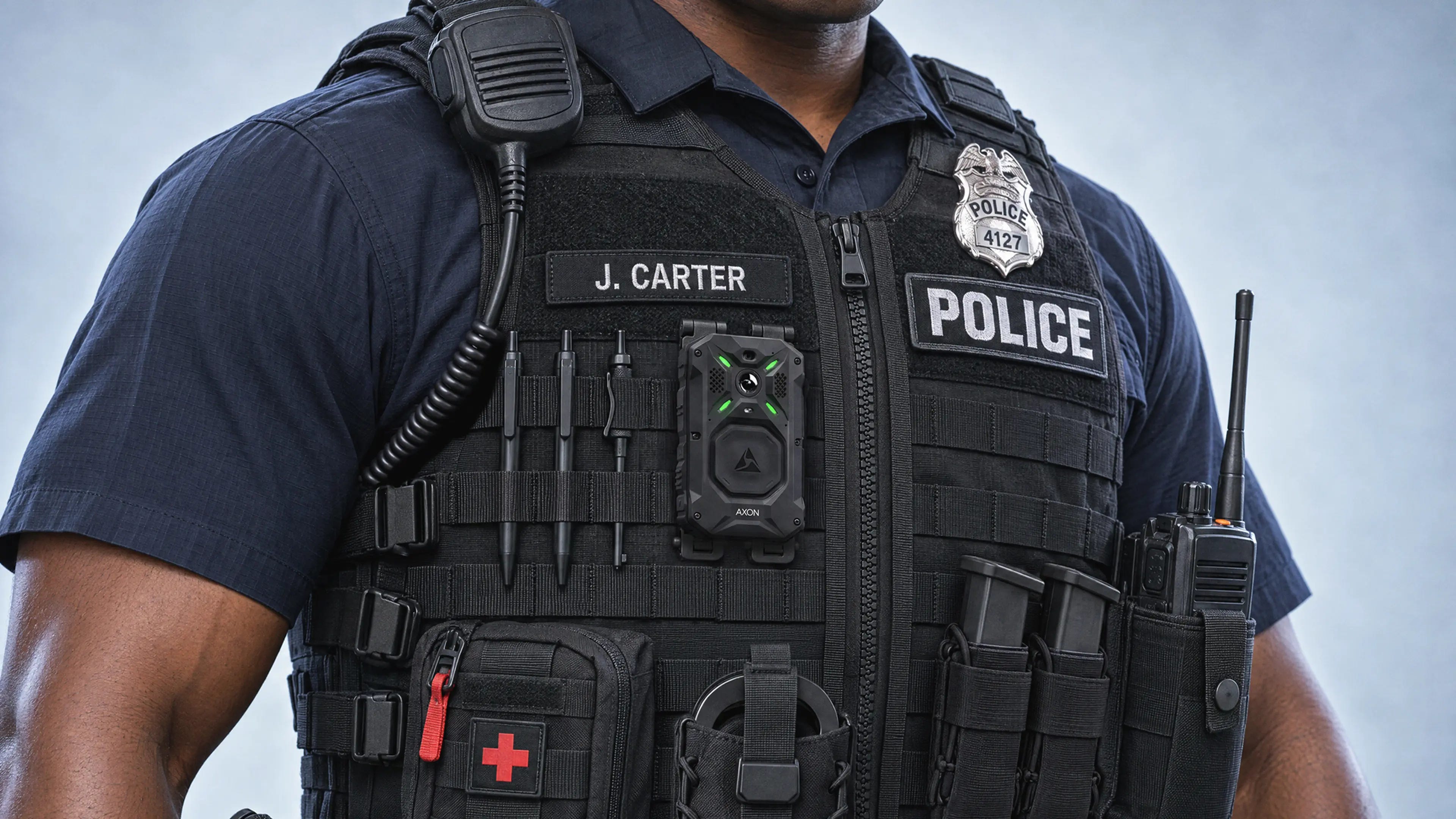
This week, Axon rolled out the Body 5, its new high-powered AI body-worn camera. Updates to Axon’s AI products include “escalation detection,” which analyzes audio for signs of conflict and notifies supervisors or dispatch to send additional officers. It sounds similar to software the Seattle police scrapped under pressure from the police guild. Though it’s billed as a smart feature for protecting officers, it could have the opposite effect of de-escalation by sending unnecessary officers to a call and priming them for a fight. The hardware inside the Body 5 is also paving the way for a troubling expansion of AI-enabled surveillance. The company’s future moneymaker is a subscription package called the AI Era Plan. Each model is like a standalone AI processor with enough power to run these tools, and they’re equipped to send live feeds to real-time crime centers. Axon has won big from the backlash against Flock, snatching up much of its contracts, while quietly turning every cop into a walking ALPR.
Hey, before you go…
DivestSPD is your only source for critical police coverage in the Puget Sound area and beyond. From filing public records to reading hundred-page reports, we’re putting in the hours to bring you weekly exclusive stories about cops brutalizing the public, committing crimes, and violating civil rights.
We get all our funding from ordinary people like you, so if you think this work is valuable and want it to continue, join our Ko-fi community today. Tiers start at just $5 a month.