


Mayor Wilson’s gun violence plan: More of the same
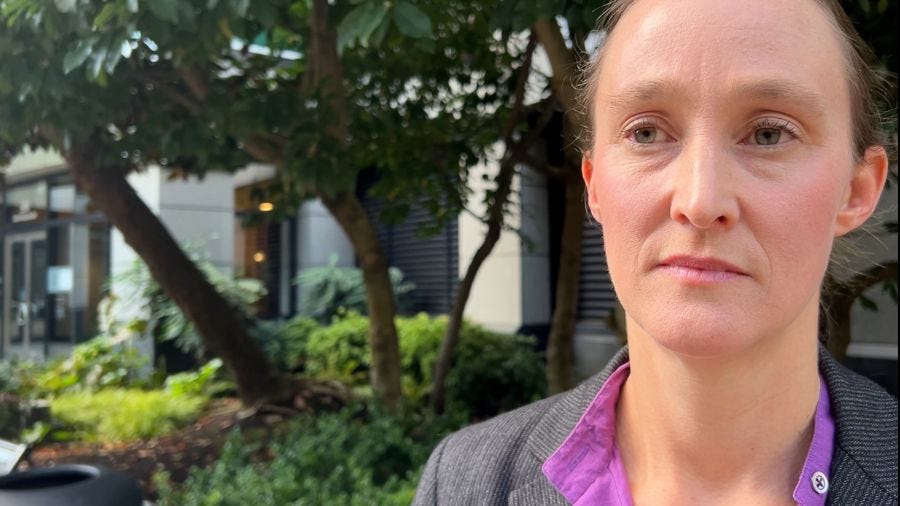
Mayor Wilson rolled out her gun violence package this week, and it’s “meh.” The plan includes some modest new investments in stuff like after-school programs, but it mostly just “sustains” what the city is already doing, including youth jobs programs, extreme risk protective orders, mental health counseling, and so on. It’s cool that the mayor has been gracious enough to “sustain” all that stuff, and not cut those programs to pay for more cops (yet). One noteworthy change is that the city will transfer violence intervention programs to the CARE Department, which operates 911 dispatch. Whether that’s good or bad is TBD. It sounds good. We’ll see. The mayor and the city council have both proposed partnerships with different think tanks to study gun violence. The city council’s right wing is calling for a $400,000 contract with the National Network for Safe Communities to do a two-year evaluation, while Mayor Wilson wants to partner with the Center for Gun Violence Solutions to set up “Violence Reduction Councils” to examine each homicide and formulate a systemic response. As we noted in the Digest previously, the police play a stronger role in the NNSC’s strategy, whereas the Center for Gun Violence Solutions looks at gun violence from a public health lens.


As a sop to the Chamber of Commerce and Challenge Seattle, Wilson pledged expanded patrols and operations that “target dealers preying on people in crisis.” This is the same failed policing strategy Bruce Harrell pursued. More boots on the ground and arrests of small-time drug dealers in Little Saigon haven’t stopped the dealing there. A heightened police presence in Belltown didn’t prevent the murders a few weeks ago. Dozens of police stationed in Seattle Center didn’t stop the mass shooting at the Bite of Seattle. We need a new tack, and that means we can’t keep throwing good money after bad. Baltimore spent $17 million on the violence intervention program that reduced murders to 1970s levels. Seattle is spending less than a third of that. Meanwhile, hitting SPD’s hiring target will mean adding nearly $50 million to the city budget. If the mayor and city council are serious about community violence intervention, they have to fund it. That means shifting money from cops to a public safety strategy that actually works.

Do you hate cops? Do you love baseball cards? We’ve got baseball cards with all the cops you hate. They’re in our store:
Man who died in SPD custody last Saturday identified
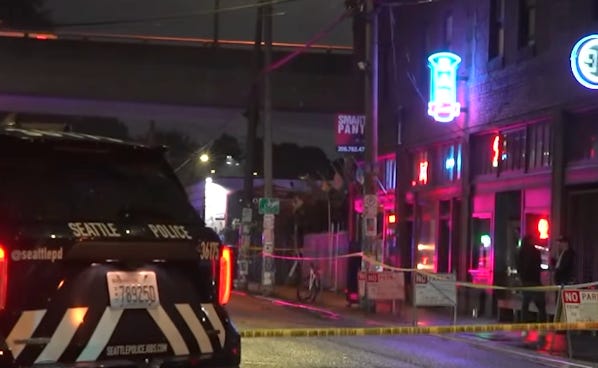
The county medical examiner has identified a man who died in Seattle police custody last Saturday in Georgetown as Keenan Pearson, but his cause and manner of death are still pending. According to a release from the King County Independent Force Investigation Team, Seattle police encountered Pearson on Airport Way at around 8:17 pm while responding to a call about a disturbance. The release described Pearson as being unable to “clearly speak or care for himself.” Officers requested aid from the fire department and had him sit on the cruiser’s push bar. When the officers contacted dispatch at 8:20 pm, they said Pearson was “alert and conscious” and that he possibly just needed to have his vitals checked. He was not restrained at first, but at some point, he collapsed and rolled into the streets, and the officers handcuffed him for an unexplained reason, according to the press release. Around 8:35 pm, he lost consciousness, and fire department medics unsuccessfully attempted to revive him. We still know very little about what happened in the 18 minutes between the initial contact and when the man died. Radios were mostly silent for that whole time. It’s unclear if officers had their bodycams activated. Seattle police are not required to record voluntary “social contacts,” and officers may not have regarded it as a detention initially. Investigators have not released the names of the officers, but we’re working on getting those.
Thurston deputy fired for not investigating DV of woman who went missing
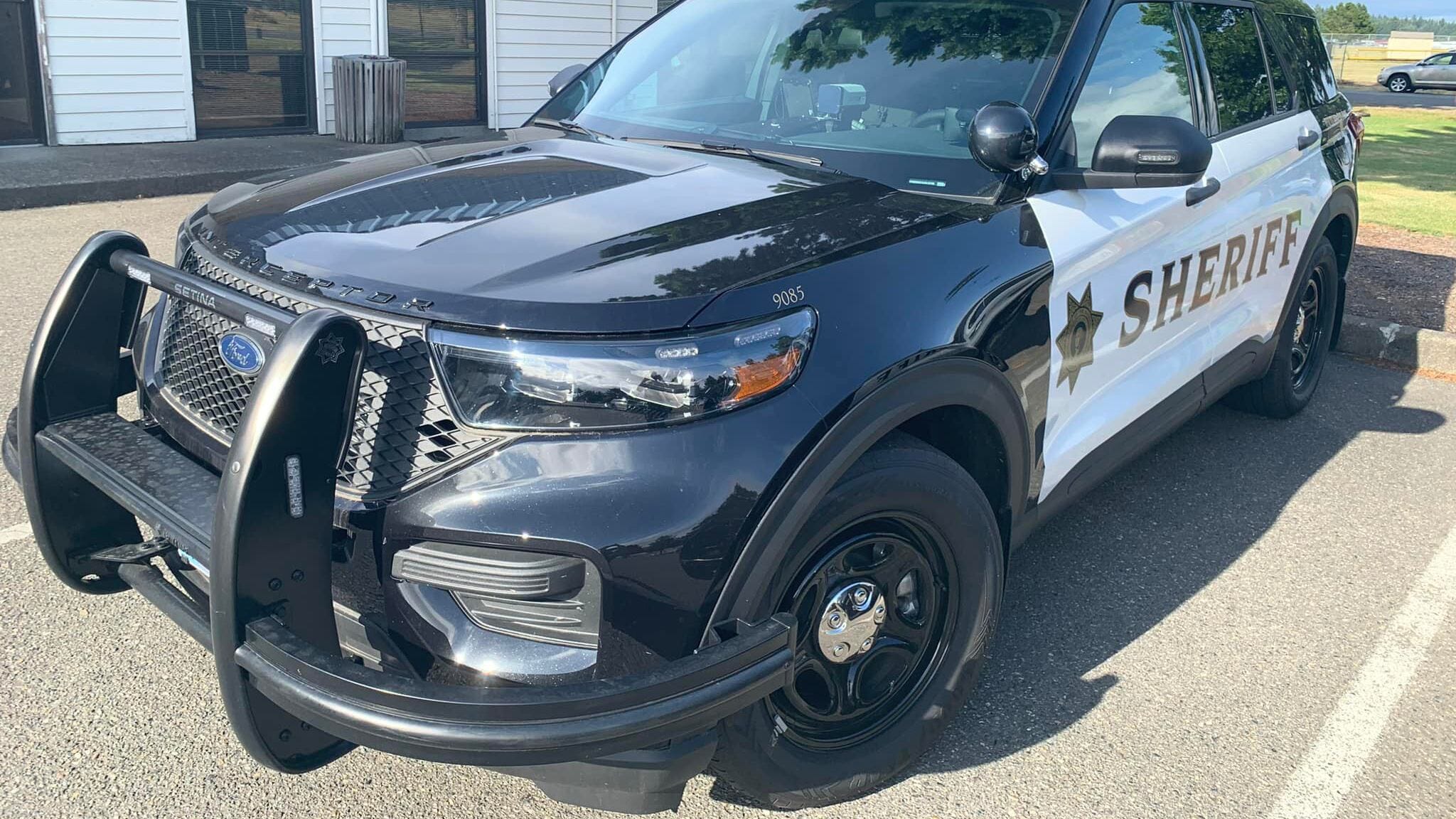
Thurston County Sheriff’s Office terminated a deputy for not investigating domestic violence against a woman who disappeared days later. In July, the woman called to report that her partner assaulted and threatened her. The deputy did not investigate or write a report. He also falsified his call log, writing “spoke with [involved party] who stated no assault, no property damage, no threats.” When the woman went missing two days later, investigating detectives reviewed his bodycam footage and noticed the discrepancy between what she said and what he wrote. The woman was found unharmed the next day. The sheriff’s office launched an internal investigation, and he was fired on Sept. 15. An investigation that finished in two months and ended in termination would be absolutely unheard of at the Seattle Police Department. SPD officers have gotten slaps on the wrist for not investigating domestic violence, and it takes at least two years to fire a cop for committing domestic violence (we’ve got three on leave for DV right now). Of course, you absolutely don’t “have to hand it” to Thurston County Sheriff Derek Sanders for being such a strict disciplinarian. It has a lot more to do with the relative strength of the Seattle Police Officers Guild and their contract. Thurston County only needs “probable cause” that misconduct has been committed, but the SPOG contract mandates an “elevated standard of review” for so-called stigmatizing offenses. The sheriff’s department did not name the officer, and DivestSPD did not have his name at press time, but, again, we’re on it.
Family of man deputy stabbed to death sues for $27 million
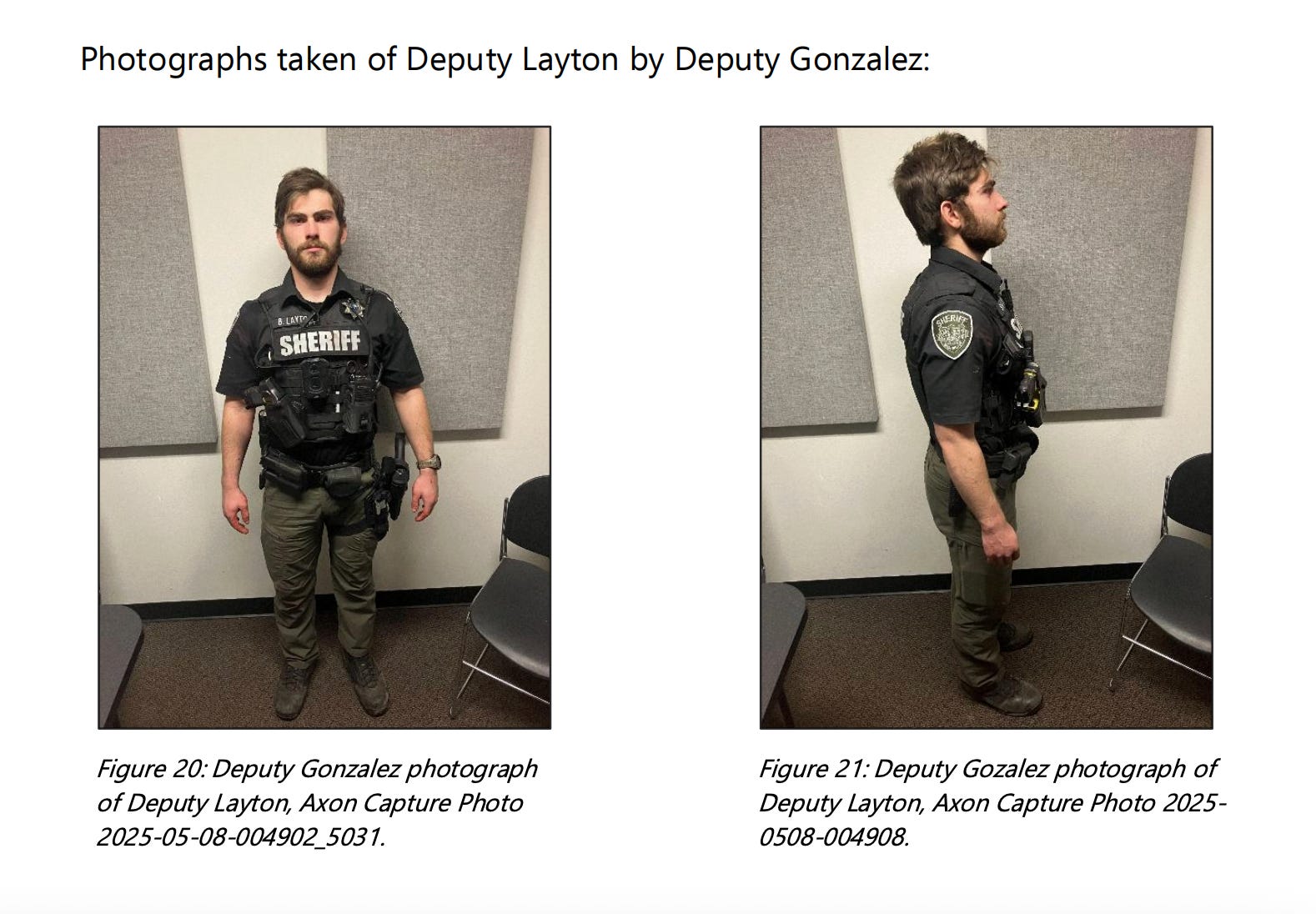
The family of the truck driver stabbed 17 times by a Clark County deputy during a drunk driving arrest is suing the county for $27 million. Last May, Deputy Bryson Layton stabbed Marc Fogle in the back inside a Washington State Patrol breath-test room. As Layton was attempting to handcuff Fogle, he grabbed Layton’s arm. There was a struggle. Layton radioed that the man was reaching for his gun, and he told Fogle that he would get shot. Fogle told him, “That’s what I want. I’m not looking to shoot you. I want you to shoot me.” Layton’s bodycam was intentionally deactivated immediately before he stabbed Fogle with an “unauthorized dagger” multiple times. Fogle’s family is alleging that Layton escalated the situation and did not attempt to use his Taser before brutally stabbing Fogle to death. They’re also claiming that responding deputies misused their body cameras by muting their microphones.
Hey, before you go…
DivestSPD is your only source for critical police coverage in the Puget Sound area and beyond. From filing public records to reading hundred-page reports, we’re putting in the hours to bring you weekly exclusive stories about cops brutalizing the public, committing crimes, and violating civil rights.
We get all our funding from ordinary people like you, so if you think this work is valuable and want it to continue, join our Ko-fi community today. Tiers start at just $5 a month.